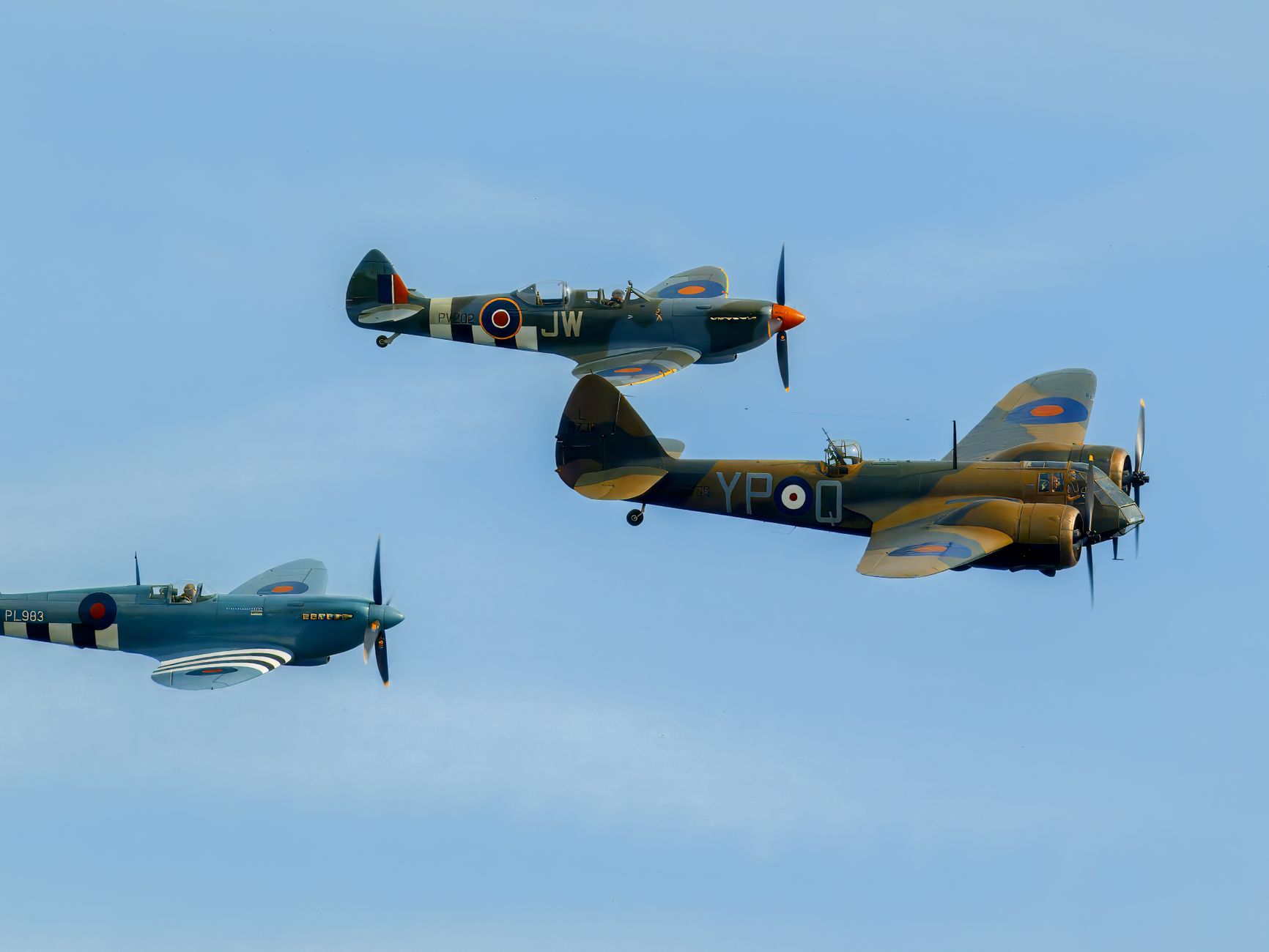
RAF plane crash incidents often raise concerns, but in this case, two pilots ejected safely before the aircraft went down. This incident highlights the effectiveness of emergency protocols in aviation.
What Happened in the RAF Plane Crash?
In a dramatic incident, an RAF plane crash occurred during a routine training exercise, but fortunately, both pilots managed to eject safely before the aircraft went down. The incident took place in a remote area, minimizing the risk to civilians on the ground. Eyewitnesses reported seeing parachutes deploy as the pilots descended, highlighting their successful escape from the stricken aircraft.
The Ministry of Defence confirmed that the pilots were in good health following their emergency ejection. An investigation has been launched to determine the cause of the RAF plane crash, with initial reports suggesting a mechanical failure may have been involved.
In light of this event, RAF officials emphasized the importance of pilot training and the effectiveness of safety protocols. They praised the quick thinking of the pilots, whose training enabled them to respond efficiently in a critical situation.
The incident underscores the resilience and preparedness of the RAF and its personnel.
Details on the Pilots’ Safe Ejection
In a remarkable demonstration of safety protocols, both pilots aboard the RAF plane successfully ejected before the aircraft’s crash. This incident has underscored the importance of training and technology in emergency situations. Eyewitness reports indicate that the pilots deployed their parachutes shortly after ejection, gracefully descending to safety as the plane went down in a controlled manner.
The safe ejection was facilitated by several key factors:
- Advanced Ejection Seats: The RAF plane was equipped with state-of-the-art ejection seats designed for rapid deployment.
- Pilot Training: Rigorous training programs ensured that pilots were well-prepared to respond effectively during emergencies.
- Weather Conditions: The weather at the time of the incident was favorable, allowing the pilots to parachute safely to the ground.
This incident highlights the effectiveness of safety measures in the RAF and the crucial role they play in mitigating risks associated with aircraft operations.
Aviation Safety Protocols Explained
The recent RAF plane crash has once again highlighted the importance of aviation safety protocols designed to protect pilots during in-flight emergencies. These protocols include a series of well-established procedures that ensure pilots can eject safely when faced with critical situations.
Key aspects of these safety protocols involve:
- Pre-flight Training: Pilots undergo extensive training, including ejection seat familiarization, which equips them with the skills needed to respond quickly and effectively in emergencies.
- Regular Drills: Conducting regular drills allows pilots to practice ejection procedures in a controlled environment, minimizing panic during actual events.
- Advanced Ejection Systems: Modern RAF aircraft are equipped with sophisticated ejection systems that ensure pilots can exit safely, as evidenced by the recent incident.
The successful ejection of the pilots during the RAF plane crash demonstrates the effectiveness of these protocols and highlights the ongoing commitment to aviation safety.
Reactions to the RAF Incident
The recent RAF plane crash has sparked a wave of reactions from the aviation community and the public. Many have expressed relief that both pilots managed to eject safely before the aircraft went down. Witnesses reported seeing the pilots parachute to safety, which has been hailed as a testament to their training and the effectiveness of current safety protocols.
Local resident Jane Smith shared her thoughts, stating, “It was terrifying to see the plane go down, but knowing the pilots ejected safely is a huge relief.” Similarly, John Doe, an aviation expert, emphasized the importance of rigorous training for pilots, noting, “The successful ejection in this RAF plane crash highlights how critical preparedness is in ensuring pilot safety.”
In light of the incident, many are calling for a review of aviation safety measures to further enhance the protection of personnel during emergencies. Overall, the incident has reignited discussions on the importance of safety in military aviation.
Understanding Pilot Ejection Systems
Understanding pilot ejection systems is crucial in the context of incidents like the RAF plane crash. These advanced systems are designed to enhance the safety of pilots during emergencies, allowing for a quick escape from the aircraft.
Ejection seats are equipped with a series of mechanisms that work in unison to ensure the pilot can exit the aircraft safely. The following elements are essential components of these systems:
- Rocket Propulsion: Ejection seats utilize rocket motors to propel the pilot away from the aircraft at high speeds.
- Canopy Separation: Before ejection, the canopy must be jettisoned to avoid obstruction, often facilitated by explosive charges.
- Parachute Deployment: Once clear of the aircraft, a parachute is automatically deployed, allowing for a controlled descent.
- Survival Gear: Pilots are equipped with survival kits that are essential for their safety after landing.
Such innovations have proven effective, as demonstrated in the recent RAF plane crash, where pilots successfully ejected and landed safely.
Future of RAF Aircraft Safety
The recent RAF plane crash has prompted a renewed focus on the safety of military aircraft and the protocols surrounding emergency ejections. With two pilots successfully ejecting from the aircraft before the incident, this event highlights the effectiveness of current safety measures.
Moving forward, the RAF is likely to implement further enhancements in aircraft design and pilot training. Key areas of focus may include:
- Improved Ejection Systems: Continued development of more reliable ejection mechanisms to ensure pilot safety in emergencies.
- Enhanced Simulation Training: Incorporation of advanced simulation technology to better prepare pilots for in-flight emergencies.
- Regular Safety Audits: Increased frequency of safety evaluations to identify potential risks before they lead to incidents.
By prioritizing these aspects, the RAF aims to minimize the risks associated with future flights, ensuring that pilots are as safe as possible during their missions, even in the event of incidents like the recent RAF plane crash.
Photo by Jimmyk photos on Pexels