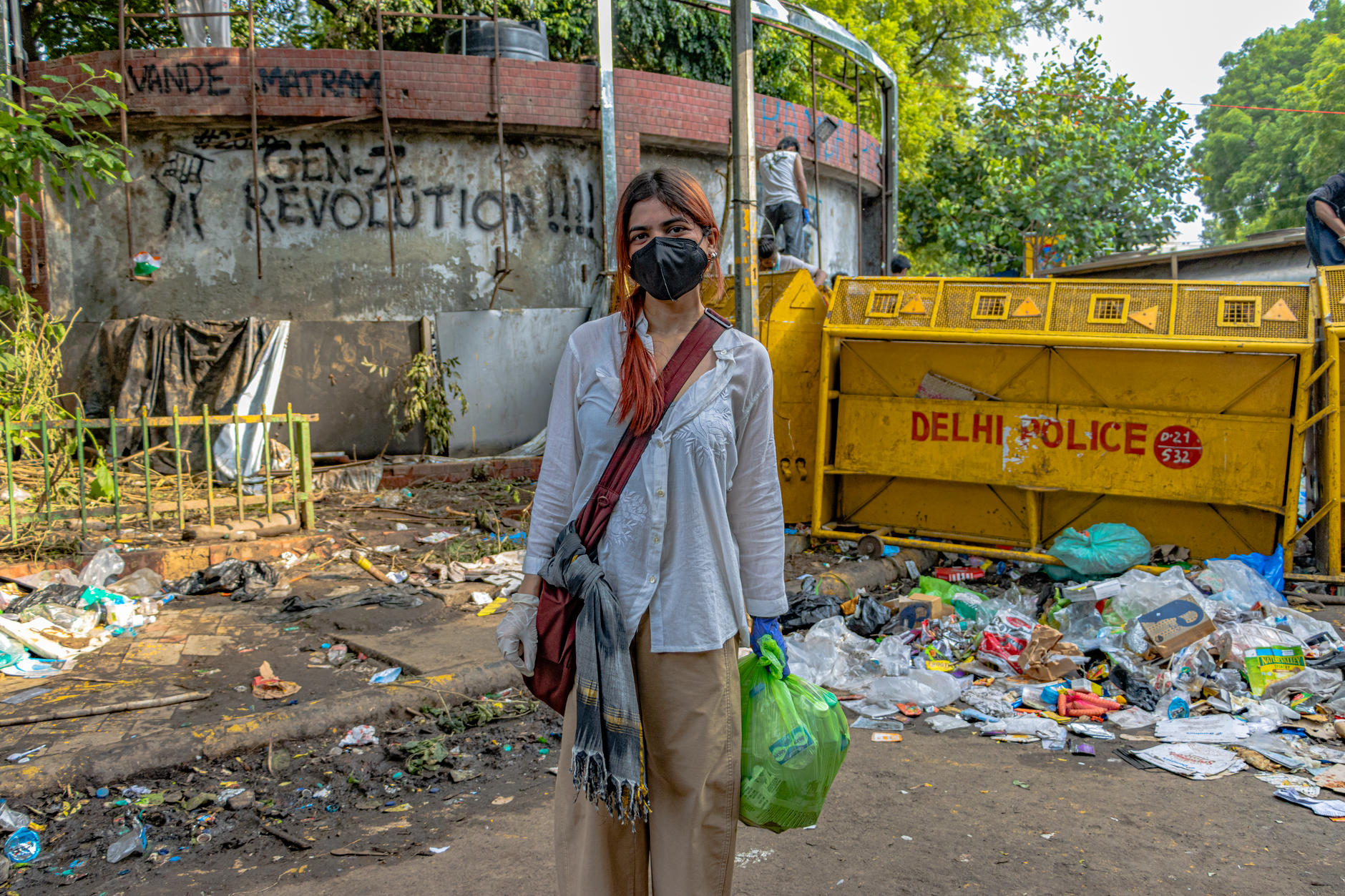
India internet shutdowns have hit their lowest level since 2016, marking a notable shift in the country’s approach to digital freedom and connectivity.
Overview of Internet Shutdowns in India
India has witnessed a significant decline in internet shutdowns, reaching the lowest levels since 2016. This trend has sparked discussions about the implications of these measures on civil liberties and access to information. Amidst various political and social challenges, the government has employed internet shutdowns as a tool to maintain order during protests and unrest.
According to recent reports, the country recorded a notable decrease in the frequency of these disruptions, highlighting a shift in policy and approach. While some argue that internet shutdowns are necessary for national security, critics emphasize the negative impact on daily life and the economy.
The reduction in internet shutdowns in India reflects a complex balancing act between governance and the rights of citizens, raising questions about the future of digital freedom in the country.
Impact on Citizens and Businesses
The recent internet shutdowns in India have had a profound impact on both citizens and businesses. For everyday users, the inability to access online services has disrupted communication and hindered access to essential information. This has particularly affected students who rely on the internet for educational resources.
Businesses, especially small and medium enterprises, have faced significant challenges due to these interruptions. Many have reported a decline in sales and customer engagement, as online transactions became nearly impossible during the shutdowns.
Moreover, the frequency of these disruptions raises concerns about the reliability of internet access in the country. As India grapples with the implications of these internet shutdowns, the need for a balanced approach that considers both security and the rights of citizens becomes increasingly urgent.
Government Policy Changes
In recent years, the Indian government has implemented several policy changes regarding internet access, especially in regions facing unrest. These shifts aim to balance national security with citizens’ rights to information. The trend of India internet shutdowns has seen significant fluctuations, with recent reports indicating a decrease in frequency and duration.
Key changes in policy include:
- Increased scrutiny of reasons for imposing shutdowns, focusing on transparency.
- Streamlined processes for appealing shutdown decisions, allowing citizens to voice concerns.
- Emphasis on alternatives to shutdowns, such as targeted measures that limit access only to specific areas or platforms.
These adjustments reflect a growing recognition of the adverse effects of prolonged internet disruptions on daily life and economic activities.
Historical Context of Shutdowns
India has a long history of internet shutdowns, often implemented during times of unrest or protests. These shutdowns have been utilized as a tool by the government to maintain order and prevent the spread of misinformation. The frequency of such shutdowns peaked in recent years, particularly during significant events like the Citizenship Amendment Act protests in 2019.
However, the recent decline in internet shutdowns marks a noteworthy shift. In 2023, the number of internet shutdowns in India hit its lowest level since 2016, reflecting a possible change in government policy towards greater digital access. While the historical context of shutdowns reveals their impact on civil liberties, the current trend suggests a growing recognition of the importance of connectivity for citizens and businesses alike.
As India navigates its digital future, the balance between security and freedom remains a critical conversation.
Future of Internet Access in India
The future of internet access in India remains uncertain as the nation grapples with the implications of its internet shutdowns. While recent reports indicate a decline in the frequency of these disruptions, concerns linger over their impact on a digitally reliant society.
Experts suggest that maintaining a balance between security and accessibility is crucial for fostering economic growth and innovation.
Key factors that may shape the future of internet access in India include:
- Policy Reforms: Ongoing discussions about more transparent regulations may lead to improved standards.
- Technological Advancements: Investment in infrastructure could enhance connectivity, making shutdowns less necessary.
- Public Advocacy: Citizen awareness and activism regarding their rights may push for more consistent access.
Ultimately, the trend of India internet shutdowns will depend on the government’s commitment to balancing security with the necessity of uninterrupted access.
India internet shutdowns have become a concerning trend, raising questions about freedom of expression and access to information. The recent surge in India internet shutdowns highlights the urgent need for a balanced approach to security and civil liberties.
Photo by energepic.com on Pexels
Sources
Bangladesh Home Minister’s Absence: A Clear Signal for India · Trump Energy Ceasefire: Clear Reactions and Judge’s Ruling · Sonali Bendre’s Exciting Moment: Welcoming Michael Jackson in Style