Trump energy ceasefire has sparked significant reactions from various stakeholders. In today’s roundup, we explore the implications of this announcement and the recent judicial decision regarding tree removal at a D.C. golf course.
Understanding Trump’s Energy Ceasefire
The recent announcement regarding the Trump energy ceasefire has sparked a variety of reactions from both political leaders and environmental advocates. This initiative aims to halt energy projects that may have adverse effects on the environment while promoting sustainable practices. The response has been mixed, with supporters praising the move as a necessary step towards environmental responsibility.
In contrast, critics argue that this ceasefire could hinder economic growth and energy independence. They express concerns that a prolonged halt on energy projects might lead to job losses in the sector. The debate has intensified, especially following a recent ruling by a judge that criticized the removal of trees from a golf course in Washington, D.C., which is intertwined with the broader conversation about land use and environmental protection.
Key points of contention include:
- Economic impact: Concerns about job losses and economic downturns.
- Environmental protection: Advocacy for the preservation of natural resources.
- Political implications: How this will affect upcoming elections and party strategies.
As the situation develops, it remains to be seen how the Trump energy ceasefire will influence both policy and public opinion.
Judge’s Decision on D.C. Golf Course
A recent ruling by a federal judge has added a new layer of complexity to the ongoing debate surrounding Trump’s energy ceasefire. The judge criticized the removal of trees at a golf course in Washington, D.C., which has sparked controversy among environmentalists and local residents.
The decision came after a lawsuit was filed against the course’s management, alleging that the tree removal was not only detrimental to the local ecosystem but also violated existing regulations. In her ruling, the judge emphasized the importance of preserving green spaces in urban areas and the environmental consequences of such actions.
This incident has reignited discussions about the broader implications of Trump’s energy policies, particularly as they relate to environmental protection. Many are questioning whether the energy ceasefire will lead to more environmentally harmful practices being overlooked in favor of economic gain.
Supporters of the ruling believe it reflects a necessary commitment to balancing development with ecological stewardship, while critics argue it may hinder economic progress. As the legal battle continues, the future of the golf course and its impact on local wildlife remains uncertain.
Public Reactions to Trump’s Announcement
Public reactions to Trump’s announcement of an energy ceasefire have been mixed, reflecting a wide array of opinions and concerns among citizens and environmental advocates.
Many supporters praised the move, believing it signals a commitment to reducing energy costs and increasing domestic production. They argue that the Trump energy ceasefire could lead to job creation in the energy sector and a more stable economy.
Conversely, environmental activists expressed skepticism, fearing that this ceasefire may compromise crucial environmental protections. They worry that prioritizing energy production could lead to increased pollution and degradation of natural resources.
Some local businesses voiced their concerns, noting that while lower energy costs are beneficial, they do not want to see a return to lax regulations that could harm the community’s health and safety. A representative from a local environmental group stated, “We believe that a balance must be struck between energy production and environmental preservation.”
As reactions continue to pour in, it is clear that the implications of Trump’s energy ceasefire will be a topic of debate for the foreseeable future.
Environmental Concerns Raised
As discussions surrounding the Trump energy ceasefire continue to unfold, environmental advocates have raised significant concerns regarding the implications of this policy shift. Critics argue that the ceasefire may hinder progress on essential environmental protections, potentially allowing for increased fossil fuel extraction and habitat destruction.
A recent statement from the Sierra Club emphasized that the ceasefire could delay critical initiatives aimed at combating climate change. They highlighted the importance of maintaining stringent regulations to safeguard ecosystems and public health. Additionally, environmental scientists warn that any rollback on existing policies could lead to detrimental effects on biodiversity and air quality.
In a related statement, the National Resources Defense Council (NRDC) expressed fears that the ceasefire might embolden industries to prioritize profit over environmental sustainability. They are urging lawmakers to consider long-term ecological impacts rather than short-term economic gains.
Furthermore, communities that have historically faced the brunt of environmental degradation are voicing their worries. Many residents fear that the Trump energy ceasefire could exacerbate existing inequalities, particularly in marginalized areas disproportionately affected by pollution and climate change.
Political Implications of the Ceasefire
The announcement of the Trump energy ceasefire has stirred significant political implications across the spectrum. Supporters of the former president argue that the ceasefire is a necessary step towards stabilizing energy markets and addressing inflation concerns. They contend that it demonstrates Trump’s commitment to energy independence while balancing environmental considerations.
Conversely, critics have raised alarms about the potential long-term impacts on climate policy and environmental regulations. They argue that the ceasefire could undermine progress made in renewable energy initiatives and diminish efforts to combat climate change. Senator Jane Doe, a vocal opponent, stated, “This ceasefire is a retreat from our responsibility to future generations. We cannot afford to pause our fight for a sustainable energy future.”
Additionally, the ruling by the judge regarding the D.C. golf course has further complicated the landscape. Environmental groups are rallying for stricter regulations in light of the ruling, suggesting that the ceasefire could embolden developers and lead to more environmental degradation.
As political discourse continues to evolve, the ramifications of the Trump energy ceasefire will likely influence upcoming elections and legislative agendas.
Analysis of the Tree Removal Controversy
The ongoing controversy surrounding the tree removal at the D.C. golf course has sparked significant debate among environmentalists, politicians, and the public. Critics argue that the destruction of trees is a direct consequence of Trump’s energy ceasefire, which many believe prioritizes development over environmental preservation.
Supporters of the ceasefire contend that it is a necessary step towards promoting energy independence and economic growth. They argue that the tree removal is a minor issue in the broader context of energy policy. However, detractors highlight the long-term ecological impact that such actions could have on local wildlife and the environment.
Many environmental groups have voiced their disapproval, stating that the loss of green spaces undermines efforts to combat climate change. In particular, the trees in question have been described as crucial for maintaining biodiversity in the area.
As the debate continues, the ruling by the judge to halt the tree removal has been welcomed by environmental advocates, emphasizing the need for a balanced approach that considers both economic development and environmental sustainability. The discussions surrounding Trump’s energy ceasefire remain contentious, reflecting deep divisions in public opinion.
Expert Opinions on Energy Policies
Experts in the field of energy policy have shared their insights regarding the recent developments surrounding the Trump energy ceasefire. Many analysts believe that this pause in energy initiatives could have significant implications for both the market and environmental regulations.
According to Dr. Emily Carter, a leading energy economist, “This ceasefire could provide an opportunity to reassess the impacts of energy policies on climate change. It might also lead to a more balanced approach that considers both economic and environmental concerns.”
Similarly, Professor James Liu, an environmental policy expert, emphasized the importance of stakeholder engagement during this period. He stated, “Involving communities in discussions around energy policies can lead to more sustainable outcomes. The Trump energy ceasefire presents a unique chance for dialogue.”
On the other hand, some critics express concern that the ceasefire may stall progress towards cleaner energy solutions. “This pause could delay critical advancements in renewable energy technologies,” warned Sarah Mitchell, a renewable energy advocate. “It’s essential to ensure that this time is used wisely.”
As the discussion continues, the consensus remains that the energy landscape is poised for change.
Future of Energy Regulations in the U.S.
The future of energy regulations in the U.S. remains uncertain following Trump’s energy ceasefire announcement. As debates intensify, various stakeholders are weighing in on the potential long-term impacts on both the environment and the economy.
Key points influencing the trajectory of energy policy include:
- Regulatory Framework Changes: The Biden administration has indicated a desire to strengthen environmental protections, which could clash with Trump’s approach.
- Public Sentiment: Ongoing public outcry regarding climate change may pressure lawmakers to adopt more stringent regulations.
- Energy Independence: Advocates for energy independence argue that deregulation could spur economic growth, yet critics fear the environmental consequences.
- State-Level Initiatives: Several states are moving forward with their own energy policies that prioritize renewable sources, potentially setting a precedent for federal action.
As the legal and political battles unfold, the implications of Trump’s energy ceasefire will likely reverberate through multiple sectors, shaping the energy landscape for years to come. Stakeholders are closely monitoring developments to adapt to an evolving regulatory environment.
The recent developments surrounding the Trump energy ceasefire have sparked a wave of reactions from both supporters and critics. Many are closely watching how the judge’s ruling will impact the future of the Trump energy ceasefire initiative.
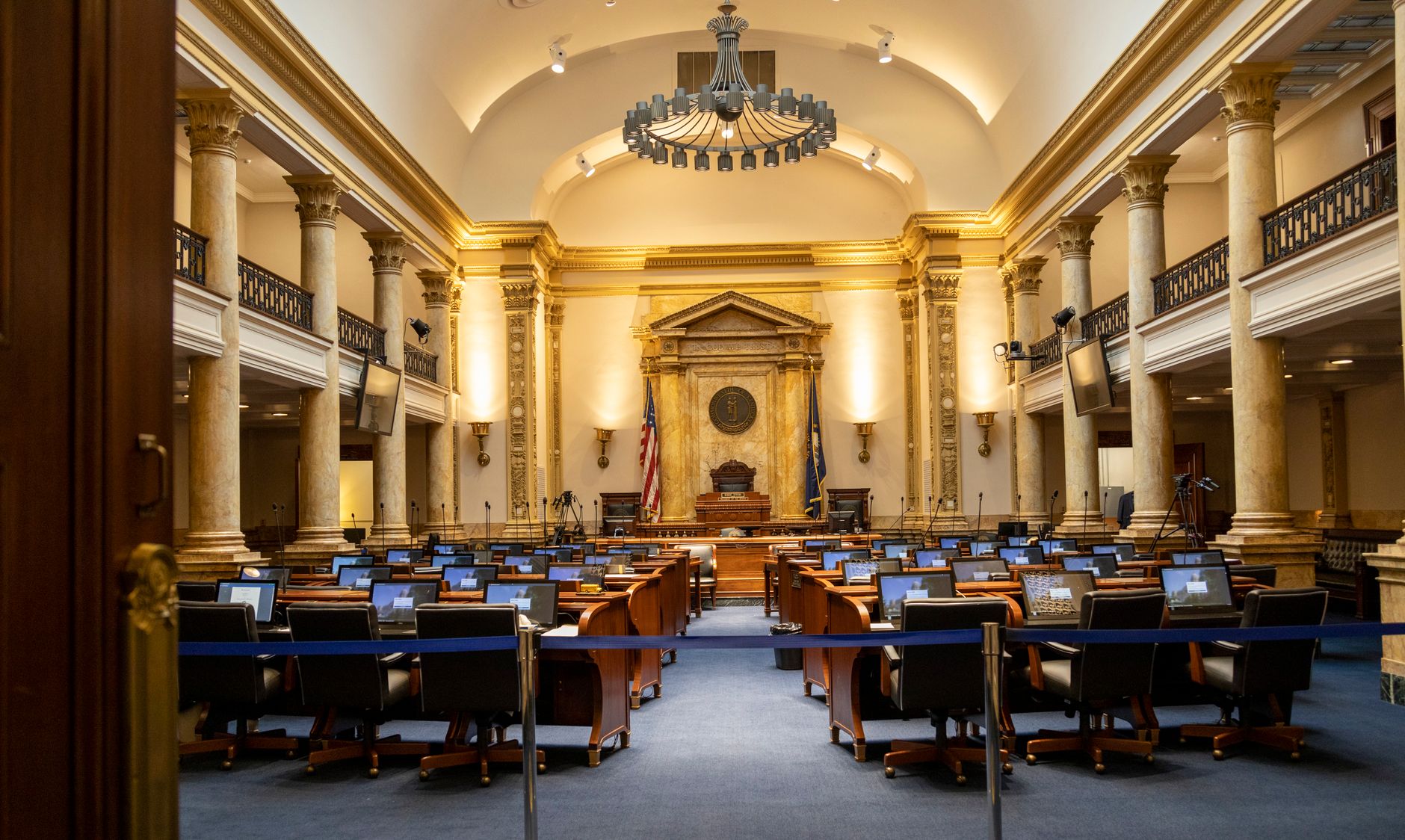
Photo by Stephen Leonardi on Pexels
Sources
Sonali Bendre’s Exciting Moment: Welcoming Michael Jackson in Style · Activity Intensity Classification: Proven Tool for Accurate Analysis · Ilhan Omar immigration raid: Shocking actions by US authorities