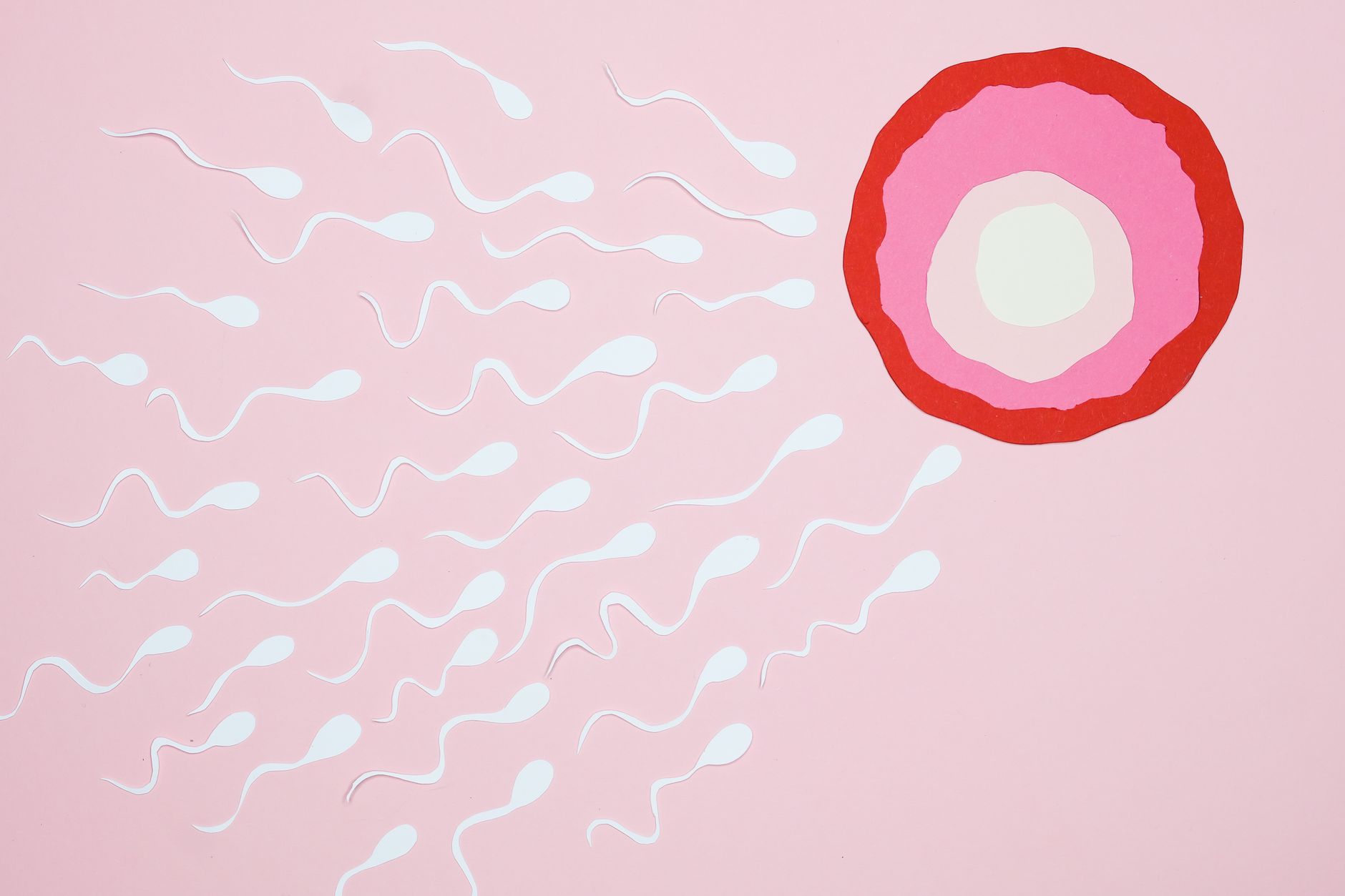
India fertility rate has recently dropped below the replacement level, sparking significant discussions about its implications for the country’s demographic future.
Understanding India’s Fertility Trends
India’s fertility rate has become a significant concern as it recently fell below the replacement level, sparking debates about its long-term implications. The India fertility rate has seen a steady decline over the past few decades, influenced by various socio-economic factors.
Several reasons contribute to this trend:
- Increased education and employment opportunities for women, leading to delayed marriages and childbearing.
- Access to family planning and health services, empowering couples to make informed reproductive choices.
- Urbanization and changing lifestyle preferences, which often result in smaller family sizes.
While a lower fertility rate may alleviate some immediate pressures on resources, it also raises concerns about an aging population and potential labor shortages in the future. Understanding these dynamics is crucial for policymakers as they navigate the complexities of demographic changes in India.
Impacts of Falling Fertility Rates
The decline in India’s fertility rate has significant implications for the nation’s future. As the fertility rate continues to drop, several key impacts are emerging:
- Population Aging: A lower fertility rate leads to an increase in the median age of the population, resulting in a greater proportion of elderly citizens.
- Labor Force Challenges: With fewer young people entering the workforce, India may face labor shortages, affecting economic growth and productivity.
- Economic Implications: An aging population can strain public resources, including healthcare and pensions, as there may be fewer working individuals to support retirees.
- Gender Imbalances: Changing family structures may lead to shifts in gender roles and expectations, influencing societal norms.
These factors highlight the complexities surrounding India’s fertility rate and its potential consequences for future generations.
Government Response to Population Changes
The Indian government is closely monitoring the changing demographics as the fertility rate continues to decline. In response to this trend, officials have initiated several programs aimed at addressing potential challenges posed by a shrinking population. These initiatives include:
- Enhanced healthcare services: Improving maternal and child health services to ensure well-being during and after pregnancy.
- Awareness campaigns: Educating the public about family planning and reproductive health to empower individuals in making informed choices.
- Incentives for larger families: Offering financial benefits and support for families that choose to have more children.
While the India fertility rate falling below the replacement level raises concerns, the government’s proactive measures aim to balance population dynamics and create a sustainable future for the nation.
Future Projections for India’s Demographics
As India’s fertility rate continues to decline, projections indicate significant demographic shifts in the coming decades. Experts warn that falling fertility rates may lead to an aging population, which could pose challenges for the economy and social services.
Key projections for India’s demographics include:
- Increased Elderly Population: By 2050, the proportion of individuals aged 60 and above is expected to rise dramatically, straining healthcare and retirement systems.
- Labor Force Impacts: A shrinking workforce may hinder economic growth, as fewer young people enter the job market.
- Urbanization Trends: Cities may experience increased pressure as rural populations decline and migration patterns shift.
While a lower fertility rate can lead to positive benefits, such as improved maternal health, the long-term implications for India’s demographic landscape raise questions about sustainability and resource allocation.
The declining India fertility rate raises concerns about the long-term implications for the country’s demographic structure. As the India fertility rate continues to fall, experts warn of potential challenges related to an aging population and workforce shortages.
Photo by Nadezhda Moryak on Pexels
Read the original
You might also like
Fire Emblem file size: The Proven Details You Need · Claude Model Testing: The Right Approach for AI Development · Computer Memory Energy Use: Best Proven Solutions Available