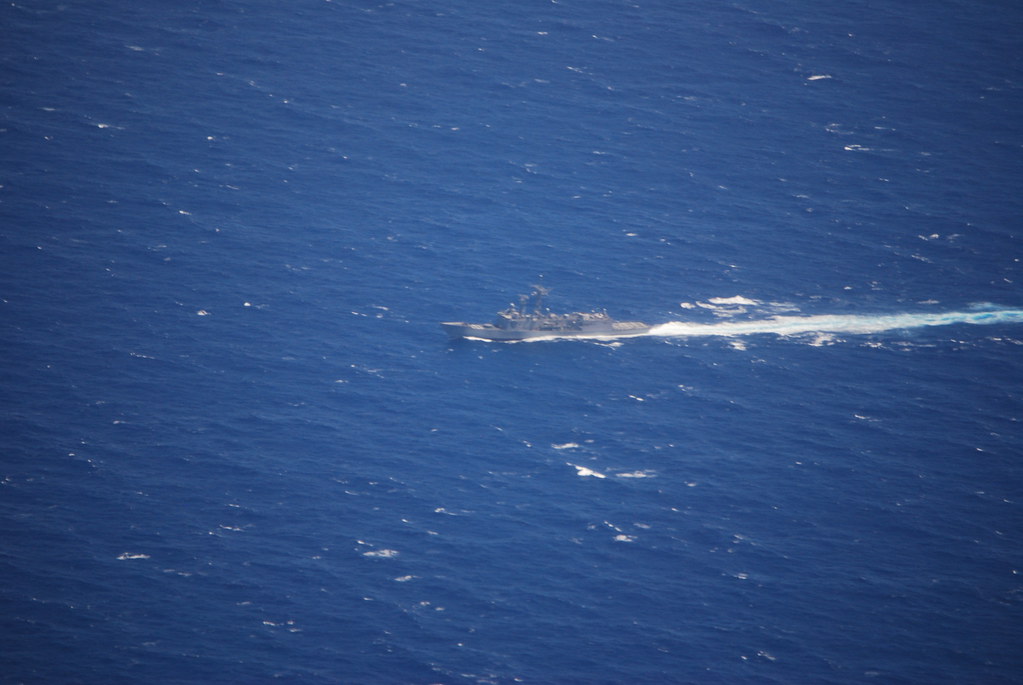
Strait of Hormuz tankers are currently at the center of a navigation dispute between the US and Iran. This incident raises significant concerns over maritime safety and international trade routes.
Background of the Strait of Hormuz
The Strait of Hormuz is a pivotal maritime chokepoint that connects the Persian Gulf with the Gulf of Oman. This narrow waterway is critical for global oil transportation, as it facilitates the passage of a significant percentage of the world’s oil supply. In recent years, the strait has become a hotspot for geopolitical tensions, particularly involving the United States and Iran.
In addition to its economic importance, the Strait of Hormuz has witnessed several incidents that have raised concerns over maritime security. The region’s instability often leads to conflicts affecting Strait of Hormuz tankers, which are vulnerable to attacks and disruptions. The backdrop of these tensions includes historical disputes over territorial waters and the rights of passage for commercial vessels.
As tensions escalate, international shipping routes through the strait face continual challenges. Recent events, including the striking of two tankers, have highlighted the precarious nature of navigation in the area, prompting calls for enhanced security measures and diplomatic efforts to ensure safe passage for all vessels traversing this strategically vital region.
Recent incidents involving tankers
Recent incidents involving tankers in the Strait of Hormuz have heightened tensions in the region, drawing international attention to the ongoing navigation disputes. The strategic waterway, which is crucial for global oil shipments, has seen a rise in confrontations between vessels, particularly those flagged by the United States and Iran.
On multiple occasions, tankers have been targeted or faced harassment, raising concerns about maritime security. Among the notable incidents, two tankers were struck in a recent episode that underscored the volatility in the area. These events have not only disrupted shipping routes but also led to increased military presence from both the US and Iranian forces.
The implications of these encounters are significant, affecting not only the immediate parties involved but also the broader international community. Key stakeholders are now urging for diplomatic solutions to avoid escalation. As the situation develops, the future of navigation through the Strait of Hormuz remains uncertain, with many fearing that further incidents could disrupt the global oil supply chain.
In light of these tensions, it is essential for all nations to prioritize peaceful dialogue and ensure the safe passage of tankers through this vital maritime corridor.
Impact on global oil supply
The ongoing navigation dispute in the Strait of Hormuz has significant implications for the global oil supply, which heavily relies on this vital shipping route. Approximately 20% of the world’s oil passes through this narrow passage, making it a strategic chokepoint for international energy trade.
Recent incidents involving tankers have raised concerns among oil markets, leading to volatility in prices. As tensions escalate, the risk of further disruptions increases, prompting buyers and sellers to consider alternative sources and routes, which may not only be more expensive but also less reliable. The potential for accidents or conflicts in the Strait of Hormuz could create panic in the market, resulting in inflated prices for crude oil.
Additionally, many countries are re-evaluating their energy security strategies in light of these developments. Industry analysts warn that prolonged instability could lead to a significant reduction in tanker traffic, further straining supply chains and affecting global energy prices.
In this context, the situation in the Strait of Hormuz remains a critical factor that could alter the dynamics of oil supply and contribute to economic uncertainty worldwide.
US stance on navigation disputes
The United States has taken a firm stance regarding navigation disputes in the Strait of Hormuz, emphasizing the need for safe passage for all vessels traversing this critical waterway. The US government has reiterated its commitment to ensuring freedom of navigation, particularly in light of recent incidents involving tankers. These events have heightened tensions between the US and Iran, with both countries asserting their rights over the strategic route.
In a statement from the Pentagon, officials highlighted the importance of the Strait of Hormuz for global oil supply, noting that approximately 20% of the world’s oil passes through this narrow channel. The US has increased its naval presence in the region to deter potential threats against tankers, aiming to reinforce security for shipping lanes vital to international trade.
Moreover, the US has called on allied nations to join efforts in safeguarding maritime routes. There is a growing concern that further escalations could lead to significant disruptions, impacting not only oil prices but also broader economic stability worldwide. The situation continues to evolve as diplomatic efforts are pursued to resolve the ongoing navigation disputes, with the Strait of Hormuz tankers remaining at the center of this complex geopolitical issue.
Iran’s response to the situation
In response to the escalating tensions surrounding the Strait of Hormuz tankers, Iran has taken a firm stance, asserting its right to protect its national interests in the strategically vital waterway. Iranian officials have emphasized that any threats to their vessels will be met with a strong and decisive action. Admiral Shahram Irani, the commander of the Iranian Navy, stated that Iran will not tolerate any interference from foreign powers, particularly the United States, which has increased its naval presence in the region.
Iran has also conducted military exercises in the vicinity of the Strait, showcasing its capabilities and readiness to secure its maritime routes. These drills are often interpreted as a warning to both regional and international players that Iran will defend its sovereignty. Furthermore, Iranian authorities have expressed concerns over the safety of commercial shipping, accusing foreign nations of escalating tensions that jeopardize maritime security.
Additionally, Iran’s foreign ministry has called for dialogue among nations that rely on the Strait of Hormuz for oil transportation, advocating for a peaceful resolution to the disputes. As the situation evolves, the potential for further incidents remains high, raising questions about the future stability of the region.
Historical context of US-Iran relations
The historical context of US-Iran relations is crucial to understanding the ongoing navigation disputes in the Strait of Hormuz, particularly involving tankers. Since the 1979 Iranian Revolution, the relationship between the two nations has been fraught with tension. The United States has consistently viewed Iran as a significant threat to regional stability, particularly given its nuclear ambitions and support for militant groups.
Throughout the decades, several key events have shaped this contentious relationship:
- 1979 Hostage Crisis: Iranian students seized the US Embassy in Tehran, holding American diplomats hostage for 444 days.
- 1980s Tanker War: During the Iran-Iraq War, both nations targeted commercial shipping, leading to significant risks for Strait of Hormuz tankers.
- 2003 Iraq Invasion: The US invasion of Iraq further strained relations, as Iran emerged as a regional power.
- 2015 Nuclear Deal: While the agreement aimed to limit Iran’s nuclear capabilities, its withdrawal by the US in 2018 reignited tensions.
As incidents continue to escalate in the Strait of Hormuz, understanding this historical backdrop is essential for analyzing the current navigation disputes that affect global oil supply.
Future implications for maritime security
The ongoing disputes in the Strait of Hormuz are expected to have significant future implications for maritime security, particularly concerning the safety of tankers traversing this vital waterway. As conflicts escalate, the risk of further incidents involving Strait of Hormuz tankers may increase, prompting heightened military presence and surveillance in the region.
Countries that rely on oil shipments through the strait are likely to reassess their security protocols, leading to increased costs for shipping companies and potential disruptions in oil supply chains. Key stakeholders, including major oil-importing nations, might push for greater international cooperation to ensure the safe passage of vessels.
Moreover, the volatility in the Strait of Hormuz could spark a broader geopolitical response. Alliances may shift as nations seek to protect their economic interests, and involvement from global powers could escalate tensions further.
In light of these developments, the international community faces the challenge of balancing energy security with diplomatic efforts to de-escalate conflicts. Continued vigilance and proactive measures will be essential to safeguard maritime routes and maintain stability in global oil markets.
Expert opinions on the dispute
Experts have voiced significant concerns regarding the ongoing navigation dispute in the Strait of Hormuz, particularly in light of recent incidents involving tankers. According to maritime analysts, the strategic importance of this narrow waterway cannot be overstated, as it serves as a critical route for approximately one-fifth of the world’s oil supply.
Dr. Emily Carter, a leading maritime security expert, stated, “The situation in the Strait of Hormuz tankers is indicative of broader geopolitical tensions. The stakes are incredibly high, not only for the countries directly involved but also for global markets.”
Another analyst, Mark Thompson, emphasized the potential for escalation. “With both the U.S. and Iran maintaining a robust military presence in the region, any miscalculation could lead to a serious confrontation. The Strait of Hormuz remains a flashpoint that could destabilize the entire area.”
Furthermore, Dr. Aisha Khan, a political scientist, pointed out that “the international community must play a more proactive role to ensure safe passage through this vital corridor. Diplomatic solutions are needed to avoid further incidents.”
As tensions rise, the implications for maritime security in the region become increasingly complex, with experts urging for renewed dialogue and cooperation among the involved nations.
The escalating tensions in the region have led to increased scrutiny of the routes taken by Strait of Hormuz tankers. As nations vie for control, the safety of these vital vessels remains a pressing concern.
By wbaiv via Openverse