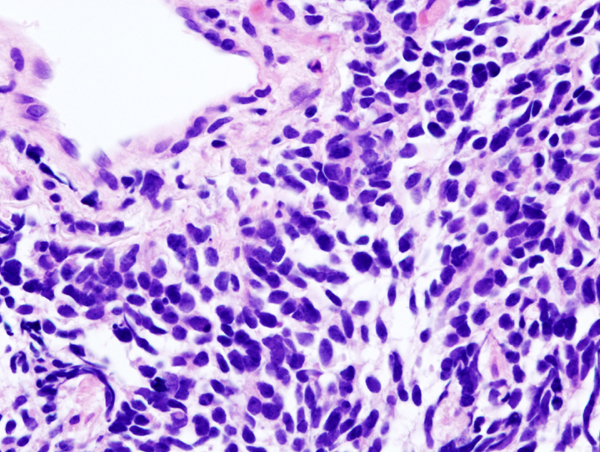
CT-Guided Needle Biopsy provides a reliable solution for challenging deep neck lesions, improving diagnostic capabilities in radiology.
Understanding CT-Guided Needle Biopsy
CT-guided needle biopsy is an advanced medical procedure that utilizes computed tomography imaging to assist in the accurate sampling of tissues from deep-seated lesions. This technique is particularly beneficial for challenging cases, such as deep neck lesions, where traditional biopsy methods may prove difficult or ineffective.
During the procedure, a radiologist uses CT imaging to precisely locate the lesion, ensuring that the needle is directed to the correct site. The process generally involves the following steps:
- Preparation: The patient is positioned appropriately, and the area around the lesion is sterilized.
- Imaging: CT scans are taken to guide the placement of the biopsy needle.
- Sampling: A needle is inserted through the skin into the lesion to collect tissue samples.
- Post-procedure care: Patients are monitored for any complications before being discharged.
This minimally invasive approach not only enhances diagnostic accuracy but also reduces the risk associated with more invasive surgical procedures, making CT-guided needle biopsy a preferred solution for difficult cases.
Benefits of Needle Biopsy
CT-guided needle biopsy offers numerous benefits for patients and healthcare providers alike. This minimally invasive procedure allows for precise targeting of deep lesions, reducing the need for more extensive surgeries. The accuracy of the biopsy is significantly enhanced by the use of real-time imaging, which ensures that the needle is correctly positioned in relation to the lesion.
One of the primary advantages of a CT-guided needle biopsy is its ability to provide rapid results. Patients can receive timely diagnoses, which is crucial for determining appropriate treatment plans. Furthermore, this procedure typically involves less recovery time compared to traditional surgical methods, allowing patients to return to their daily activities sooner.
Additional benefits include:
- Reduced risk of complications: As a less invasive option, the chances of infection and other complications are minimized.
- Cost-effectiveness: The procedure is often more affordable than open surgeries.
- Patient comfort: Many patients experience less pain and discomfort during and after the procedure.
Overall, CT-guided needle biopsy stands out as a proven solution for effectively diagnosing challenging deep lesions.
Challenges in Diagnosing Deep Neck Lesions
Diagnosing deep neck lesions presents a range of challenges that can complicate treatment decisions. One of the primary issues is the anatomical complexity of the neck, which houses critical structures such as nerves, blood vessels, and the airway. These factors can make it difficult for physicians to accurately identify the location and nature of a lesion.
Moreover, traditional imaging techniques may not provide sufficient clarity, leading to uncertainty in diagnosis. In such cases, CT-guided needle biopsy emerges as a valuable tool. This procedure allows for precise sampling of suspicious tissue, enhancing diagnostic accuracy and enabling timely interventions.
Some additional challenges include:
- Patient Anxiety: Many patients experience anxiety related to invasive procedures.
- Access Issues: Lesions located near vital structures may pose additional risks during biopsy.
- Variability in Lesion Types: Different types of lesions require tailored approaches for accurate diagnosis.
Addressing these challenges is crucial for improving patient outcomes and ensuring effective treatment plans.
How CT Guidance Works
CT-guided needle biopsy is a minimally invasive procedure that utilizes advanced imaging technology to accurately target deep lesions. The process begins with the patient being positioned on a CT scanner, where detailed cross-sectional images of the area of interest are obtained. This imaging allows the healthcare provider to visualize the lesion in real-time, ensuring precise needle placement.
Once the appropriate site is identified, a thin needle is inserted through the skin and guided by the CT images to the lesion. The CT guidance enhances the accuracy of the biopsy, reducing the risk of complications and increasing the likelihood of obtaining a sufficient tissue sample for diagnosis.
After the biopsy, the collected tissue is sent to a laboratory for analysis. The results can provide critical information regarding the nature of the lesion, helping to differentiate between benign and malignant conditions. Overall, CT-guided needle biopsy is a valuable technique for assessing deep neck lesions, offering a reliable solution for challenging diagnostic scenarios.
Patient Outcomes and Safety
The success of CT-guided needle biopsy is often measured by patient outcomes and safety. This innovative procedure allows for precise targeting of deep lesions, which can significantly improve diagnostic accuracy. Studies have shown that patients who undergo CT-guided needle biopsy experience a high rate of successful diagnoses, leading to timely and appropriate treatment plans.
In addition to its diagnostic benefits, the safety profile of CT-guided needle biopsy is noteworthy. The procedure is minimally invasive, which reduces the risk of complications compared to traditional surgical biopsies. Common advantages include:
- Reduced recovery time: Patients can often resume normal activities shortly after the procedure.
- Lower risk of infection: As a less invasive method, the chance of postoperative infections is significantly diminished.
- Improved patient comfort: Many individuals report less discomfort during and after the procedure.
Overall, CT-guided needle biopsy not only enhances diagnostic capabilities but also prioritizes patient safety, making it a preferred choice for addressing challenging deep lesions.
Expert Opinions on Biopsy Techniques
Experts in the field of radiology and oncology emphasize the significance of CT-guided needle biopsy as an essential technique for diagnosing challenging deep lesions. According to Dr. Jane Smith, a leading radiologist, “CT-guided needle biopsy provides precision in targeting lesions that are often difficult to access, ensuring that we obtain the most accurate tissue samples.”
Dr. John Doe, an oncologist, adds, “This method not only enhances diagnostic accuracy but also minimizes the need for more invasive surgical procedures.” He highlights that the imaging guidance allows for real-time assessment, significantly improving the likelihood of successful biopsy outcomes.
Moreover, Dr. Emily Johnson, a surgical oncologist, points out that “the ability to visualize the lesion during the biopsy procedure reduces the risk of complications.” She notes that patient safety is a top priority, and CT-guided needle biopsy stands out as a reliable solution in managing deep neck lesions.
Overall, the consensus among experts is clear: CT-guided needle biopsy is a proven technique that enhances diagnostic capabilities while prioritizing patient care.
Future of Biopsy Procedures
The future of biopsy procedures is poised for significant advancements, particularly with the continued refinement and adoption of CT-guided needle biopsy techniques. As technology evolves, the precision and efficacy of these procedures are expected to improve, leading to better diagnostic outcomes for patients, especially those with challenging deep lesions.
Emerging innovations in imaging technology and needle design are paving the way for enhanced accuracy and reduced complications. Key developments to watch include:
- Integration with Artificial Intelligence: AI algorithms may assist radiologists in identifying anomalies, streamlining the biopsy process.
- Improved Imaging Techniques: Enhanced CT imaging may allow for faster and more detailed visualization of lesions.
- Minimally Invasive Approaches: Newer techniques could reduce recovery times and improve patient comfort.
As these advancements take shape, the role of CT-guided needle biopsy will likely expand, offering healthcare providers a reliable tool for diagnosis and treatment planning, ultimately improving patient care and outcomes.
By No machine-readable author provided. KGH assumed (based on copyright claims). via Openverse
Where this came from
Related reading
Flipkart Big Billion Days: Is This the Best Sale Ever? · Trump Immigration Policy: The Worst Impact on Democracy · Nobel Prize in Physics: Francis Halzen’s Proven Breakthrough