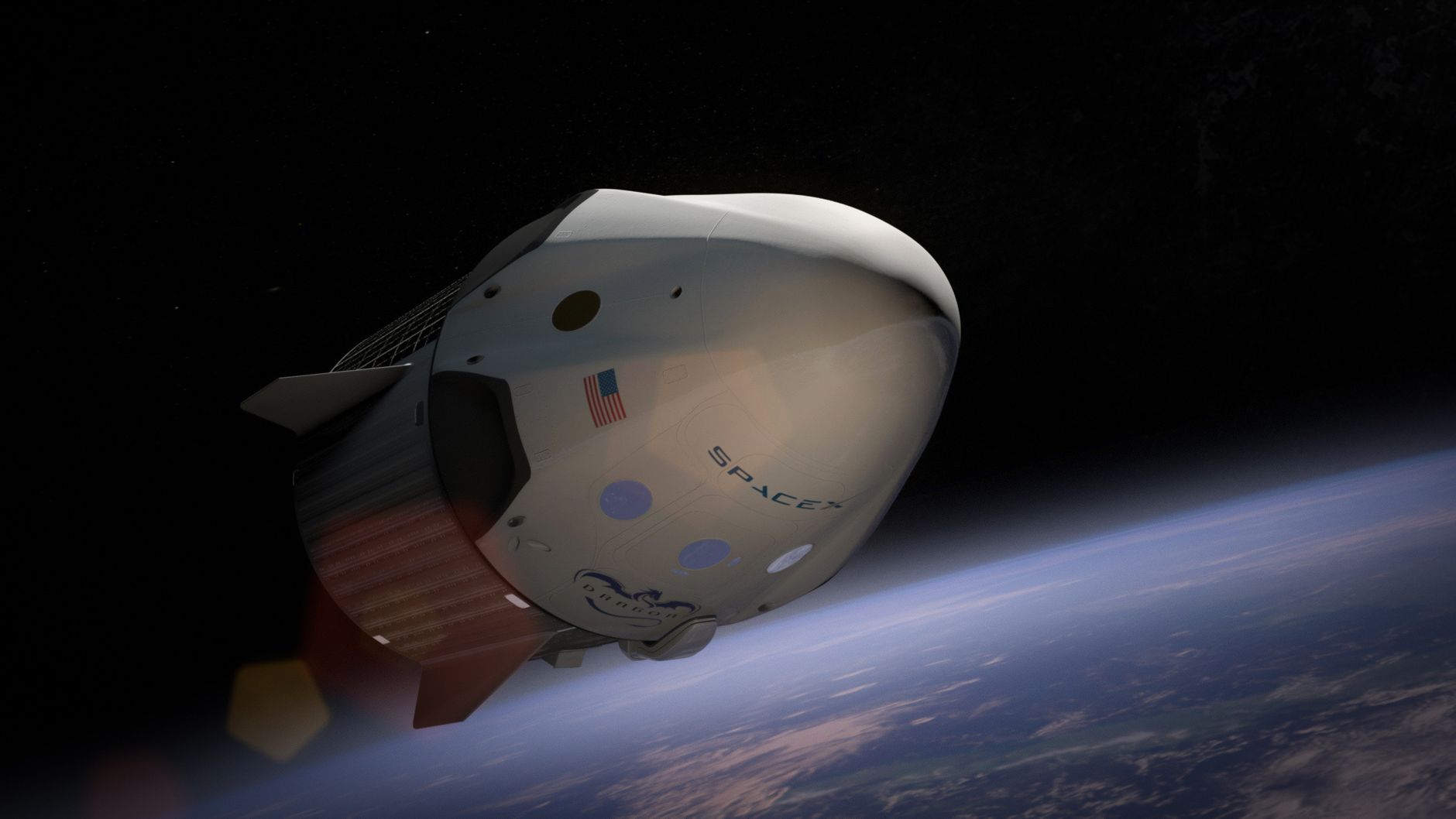
SpaceX resupply mission successfully delivered essential supplies and science experiments to the International Space Station.
Overview of the SpaceX Resupply Mission
The recent SpaceX resupply mission successfully delivered crucial supplies and scientific experiments to the International Space Station (ISS). This mission, part of NASA’s ongoing partnership with SpaceX, highlights the company’s capability to transport essential cargo to support ongoing research in microgravity.
During this resupply flight, SpaceX’s Dragon spacecraft carried a variety of items, including:
- Science experiments aimed at understanding the effects of microgravity on various biological processes.
- New solar arrays that will enhance the power capabilities of the ISS.
- Supplies and equipment necessary for the astronauts currently living and working aboard the station.
The Dragon spacecraft was launched from Cape Canaveral, Florida, marking yet another milestone in SpaceX’s history of reliable resupply missions. This mission not only demonstrates the effectiveness of commercial partnerships in space exploration but also underscores the importance of scientific research conducted at the ISS.
As NASA continues to expand its exploration initiatives, the SpaceX resupply mission plays a vital role in ensuring that the ISS remains fully operational and capable of supporting a wide range of experiments. This collaboration is pivotal for the advancement of knowledge and technology necessary for future deep-space endeavors.
Key Science Experiments Delivered
NASA’s recent SpaceX resupply mission has successfully delivered a variety of key science experiments to the International Space Station (ISS), advancing research in several important fields. These experiments are designed to help scientists understand critical processes in microgravity, offering insights that could benefit life on Earth and future space exploration.
Among the noteworthy experiments delivered are:
- Plant Growth Studies: Investigating how different plant species adapt and thrive in microgravity, which is essential for long-duration space missions.
- Protein Crystal Growth: Studying the formation of proteins in space to improve drug development and disease treatment.
- Fluid Dynamics Research: Exploring fluid behavior in microgravity, which can lead to advancements in various engineering applications.
- Biomolecule Analysis: Analyzing the effects of microgravity on the behavior of biomolecules, paving the way for new biomedical applications.
In addition to these experiments, the mission also delivered new solar arrays to enhance the ISS’s power capabilities, ensuring that the station can continue to support ongoing scientific inquiry. The successful launch and delivery underscore the reliability of the SpaceX resupply mission program, which plays a crucial role in maintaining and advancing research efforts aboard the ISS.
Importance of Solar Arrays for the ISS
The recent SpaceX resupply mission has highlighted the critical role of solar arrays in maintaining the functionality and efficiency of the International Space Station (ISS). Solar arrays are essential components that harness sunlight to generate electricity, powering various systems and experiments onboard the station.
As the ISS orbits the Earth, it relies heavily on these solar arrays for energy. The delivery of new solar arrays during the SpaceX resupply mission ensures that the ISS can continue to operate at optimal levels. The new arrays are designed to replace older, less efficient units, thereby enhancing the station’s power capacity and extending its operational lifespan.
The importance of solar arrays extends beyond mere power generation. They also play a vital role in enabling ongoing scientific research and international collaboration in space exploration. The ISS serves as a unique laboratory for studying various scientific phenomena, and the uninterrupted power supply from solar arrays is crucial for conducting experiments that require precise conditions.
Furthermore, the integration of advanced solar technologies on the ISS sets a precedent for future space missions. As humanity aims to explore deeper into our solar system, reliable energy sources will remain a fundamental requirement. The successful delivery of solar arrays in the recent SpaceX resupply mission underscores the ongoing commitment to advancing space infrastructure, ensuring that the ISS continues to serve as a beacon of scientific advancement and discovery.
Future SpaceX Missions Planned
Looking ahead, SpaceX has an ambitious schedule of future missions planned to continue supporting the International Space Station (ISS) and advancing space exploration. The next SpaceX resupply mission is set to launch later this year, with plans to deliver additional scientific equipment and crew supplies critical for ongoing research aboard the station.
These missions not only focus on resupplying the ISS but also aim to enhance the capabilities of the station through innovative technology and experiments. Upcoming missions will include:
- Advanced scientific instruments: New tools designed to facilitate groundbreaking research in fields such as biology, physics, and materials science.
- Fresh food supplies: Deliveries of perishable items to ensure astronauts maintain a balanced diet during their extended stays in space.
- Infrastructure upgrades: Launching new components to improve the station’s operational efficiency, including enhancements to life support systems.
Additionally, SpaceX is working on technologies that could support future lunar and Mars missions, expanding its role in the broader scope of human spaceflight. As these future SpaceX resupply missions unfold, they will not only provide essential supplies but also foster international collaboration in space exploration.
NASA and SpaceX Collaboration
The collaboration between NASA and SpaceX has proven to be a groundbreaking partnership in advancing space exploration. The recent SpaceX resupply mission is a testament to the effectiveness of this alliance, as it successfully transported essential cargo to the International Space Station (ISS).
Since the inception of their partnership, NASA and SpaceX have worked together to develop and enhance capabilities for transporting supplies and research to the ISS. This collaboration has not only accelerated the pace of scientific discoveries but also facilitated the ongoing maintenance and upgrades of the space station.
One of the key aspects of this partnership is the reliability of SpaceX’s Falcon 9 rocket, which has become a primary vehicle for resupply missions. The recent launch carried a variety of important items, including:
- Scientific equipment for ongoing experiments in microgravity.
- Supplies for the astronauts living aboard the ISS.
- Solar arrays that enhance the station’s power capabilities.
This successful delivery not only showcases the efficiency of the SpaceX resupply mission but also underscores the importance of public-private partnerships in space exploration. As NASA continues to rely on SpaceX for these critical missions, the future looks promising for continued advancements in science and technology beyond our planet.
Photo by SpaceX on Pexels