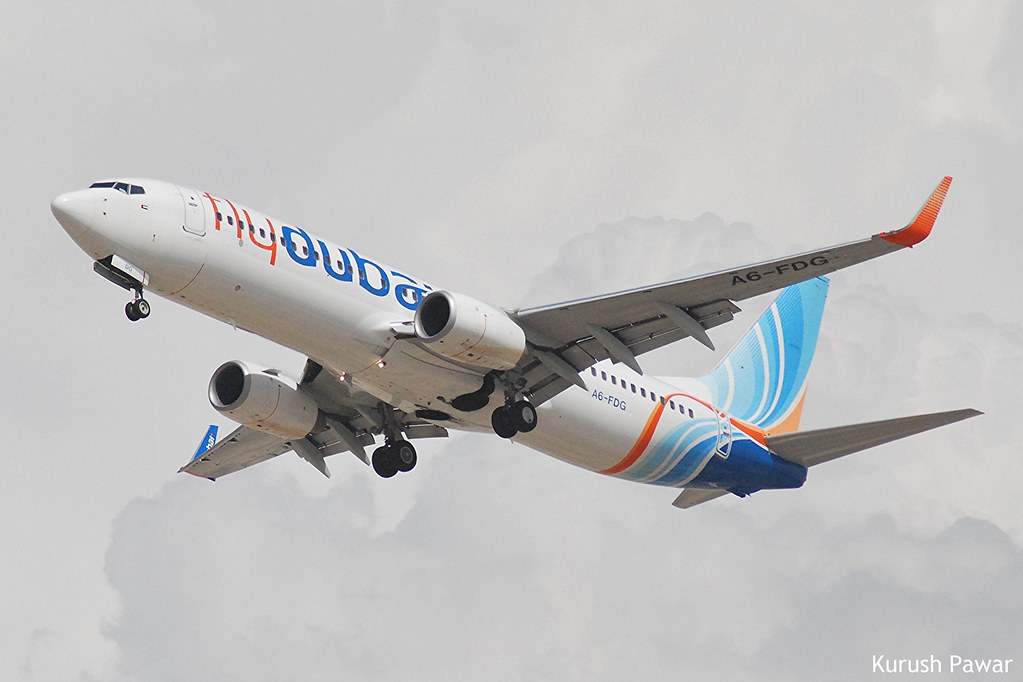
FlyDubai flight details have emerged, showing that the UAE shared pilots’ names and nationalities with Israel. This revelation has sparked discussions on the implications of such transparency.
Understanding the FlyDubai Incident
The recent incident involving FlyDubai has raised significant attention due to the sensitive information shared by the UAE. In a move that surprised many, the UAE disclosed details about a FlyDubai flight, including the names and nationalities of the pilots. This sharing of information is particularly noteworthy given the historical context between the UAE and Israel.
The decision to release these FlyDubai flight details appears to be part of a broader effort to enhance transparency and cooperation in aviation safety. Such measures are crucial in an era where air travel is subject to increased scrutiny and demands for accountability.
Among the details revealed were:
- Pilot Names: The names of both the captain and co-pilot were disclosed.
- Nationalities: The nationalities of the flight crew were also made public.
- Flight Route: Information about the flight’s intended route and destination was included.
This unprecedented step signifies a shift in diplomatic relations and raises questions about privacy and security in the aviation sector.
What Information Was Shared?
The recent disclosure regarding FlyDubai flight details has raised significant concerns within the aviation community. The UAE authorities have shared sensitive information related to the flight, which included:
- Pilot Names: The names of the pilots operating the flight were made public, sparking debates over privacy and security.
- Nationalities: The nationalities of the pilots were also disclosed, which some experts believe could pose risks to their safety.
- Flight Route: Details about the flight path taken by FlyDubai have been shared, providing insight into its operational protocols.
- Flight Number: The specific flight number was included in the information shared, making it easier to track the flight’s history and behavior.
This sharing of information has raised questions about the implications for both pilot safety and international aviation standards. The move has not only affected the immediate parties involved but also stirred discussions about transparency and security protocols in the aviation industry.
Reactions to UAE’s Decision
The recent decision by the UAE to share FlyDubai flight details, including the names and nationalities of pilots, has sparked a variety of reactions across the region. Critics argue that this move raises concerns regarding privacy and safety, particularly for the pilots involved. Human rights advocates have expressed fears that such disclosures could expose individuals to potential risks, especially in politically sensitive environments.
On the other hand, supporters of the UAE’s action contend that transparency is essential for aviation security and international cooperation. Proponents argue that sharing FlyDubai flight details could enhance safety protocols and foster trust between nations. Many believe that collaboration in aviation can lead to improved emergency responses and better management of air traffic.
Social media platforms have also seen a surge in discussions, with users sharing their opinions on the implications of this decision. Some users are calling for more stringent regulations on the sharing of personal information in aviation, while others advocate for open communication to prevent misunderstandings between countries.
Impact on UAE-Israel Relations
The recent sharing of FlyDubai flight details by the UAE with Israel has raised questions regarding the implications for bilateral relations between the two nations. This unprecedented move, which included disclosing the names and nationalities of the pilots, has sparked a range of reactions from analysts and diplomats alike.
Supporters of the UAE’s decision argue that transparency in aviation matters can enhance security cooperation between the nations. They believe that sharing such sensitive information may lead to improved trust and collaboration in regional security efforts.
Conversely, critics contend that the decision may strain ties, as it could be perceived as a lack of respect for privacy and operational security of the airline. Concerns have been raised about how this information could be utilized by various actors within the region.
As both countries navigate the complexities of their relationship, the impact of this incident remains to be seen. It is essential for both governments to communicate openly to ensure that such actions do not hinder the progress made since the normalization of relations.
Public Opinion on Transparency
The recent decision by the UAE to share FlyDubai flight details, including the names and nationalities of pilots, has sparked a diverse range of public opinions regarding transparency in aviation safety and security. Many citizens express concern over the implications of such disclosures, arguing that it may compromise the safety of airline personnel and operations.
Some advocates for transparency argue that this level of disclosure can serve to enhance accountability within the aviation industry. They believe that sharing FlyDubai flight details fosters trust between airlines and the public, particularly in a region where aviation incidents can have broader geopolitical implications.
Conversely, critics caution that revealing personal information may expose pilots to unnecessary risks, particularly in sensitive political climates. This sentiment has led to calls for a more balanced approach to information sharing, one that prioritizes safety while maintaining public trust.
- Supporters: Transparency builds trust in aviation.
- Opponents: Risks to pilots’ safety are concerning.
The debate continues as stakeholders seek to navigate the complex intersection of safety, privacy, and public interest.
Future of Aviation Security
The recent sharing of FlyDubai flight details by the UAE raises important questions about the future of aviation security. The decision to disclose personal information about pilots, including their names and nationalities, has sparked a debate on privacy and safety standards in the aviation industry.
Experts argue that transparency is crucial, especially in the context of international air travel. However, the balance between transparency and security remains a delicate one. Some key considerations include:
- Passenger Safety: Ensuring that all necessary precautions are taken to protect passengers and crew members.
- Data Privacy: Maintaining the confidentiality of personnel information to prevent potential threats.
- International Cooperation: How sharing information impacts relations between countries and enhances collective security measures.
As the aviation industry navigates these challenges, the implications of the UAE’s actions may influence future policies regarding how flight details are handled, particularly in sensitive geopolitical contexts. The evolving nature of aviation security will likely remain a critical topic as stakeholders seek to establish a framework that addresses both safety and privacy concerns.
Conclusion and Next Steps
In conclusion, the recent developments surrounding the FlyDubai flight have highlighted the complexities of international aviation and the importance of transparency. With the UAE’s decision to share pilots’ information, including their names and nationalities, a new standard may be set for how nations handle sensitive flight data. This move has sparked a range of reactions, from support for increased security measures to concerns over privacy and the implications for diplomatic relations.
As stakeholders in the aviation industry reflect on the impact of this decision, several next steps are likely to follow:
- Policy Review: Aviation authorities may reassess data-sharing policies to balance transparency and confidentiality.
- International Cooperation: Countries could engage in discussions to establish guidelines on the sharing of flight details, particularly in sensitive contexts.
- Public Awareness: Increased communication with the public will be essential to address concerns and maintain trust in aviation security protocols.
Ultimately, how the FlyDubai flight details are managed moving forward will shape future interactions between nations and influence the development of aviation regulations worldwide.
The release of FlyDubai flight details has sparked interest among aviation enthusiasts and travelers alike. As more information becomes available, the FlyDubai flight details will help clarify the airline’s operational standards and pilot qualifications.
By Kurush Pawar – DXB via Openverse
References
Related reading
India hockey gold wait: The Best Proven Strategies for Success · Financial Companies Insights: What Are the Best Strategies? · Safe Dating App: Proven Tips for Secure Online Romance