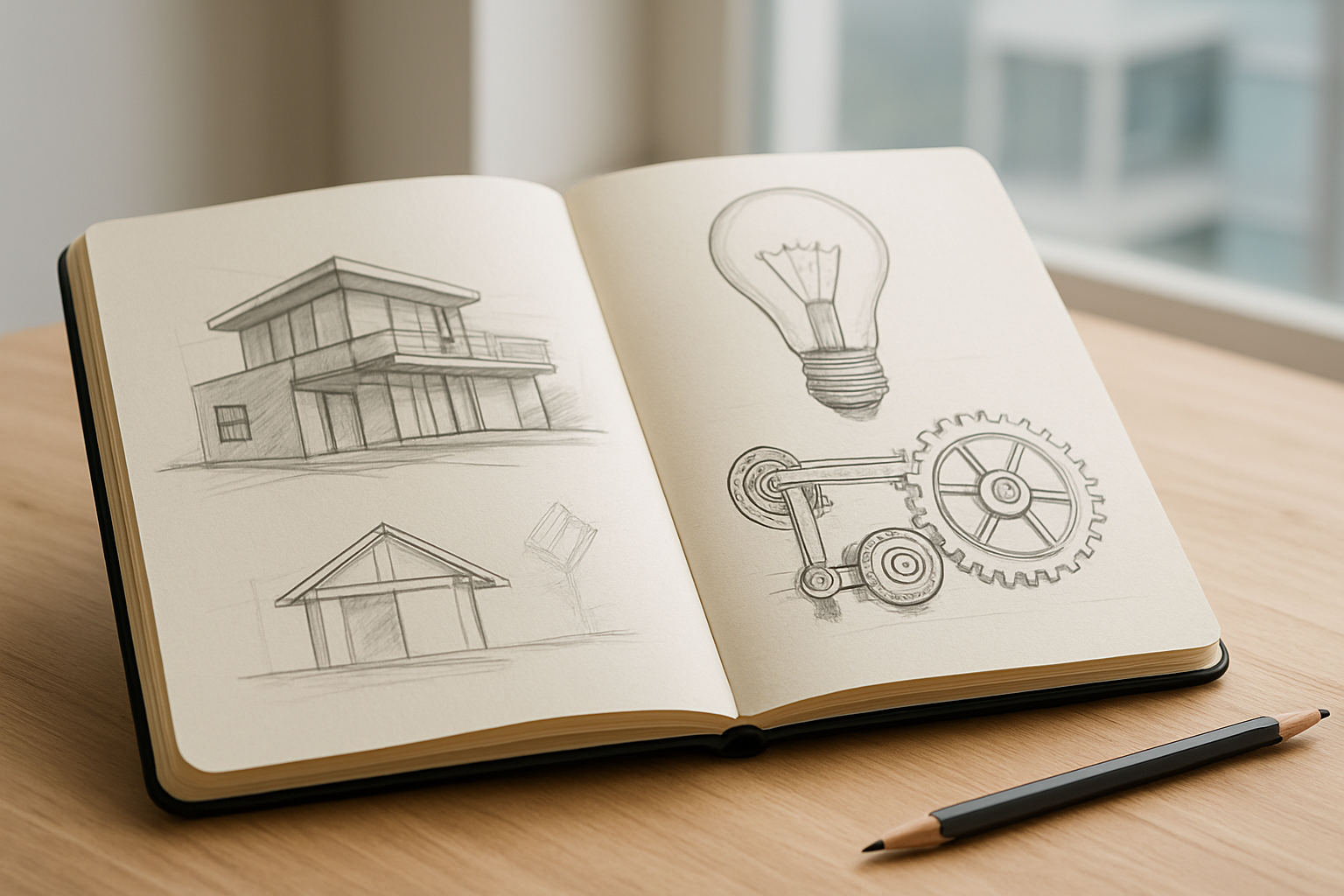
What should an inventor do before moving an original idea toward formal protection? Preparation is one of the most valuable stages of the intellectual property process. For innovators and businesses in Denver, Colorado, careful planning can help transform a developing concept into a clearly defined invention with meaningful commercial potential. A well-organized Patent Application begins with understanding the technology, documenting its development, and creating a focused strategy around the invention’s strongest features.
Jump To
- How should an inventor define the invention?
- Why should development records be maintained?
- What should inventors consider when researching existing technology?
- How can prototypes improve preparation?
- Which technical details deserve special attention?
- Why should future improvements be considered?
- How does commercial planning influence patent preparation?
- What makes the written description effective?
- How can founders keep the preparation process organized?
- How can Denver innovators approach preparation strategically?
- Conclusion
How should an inventor define the invention?
Start by explaining the invention in practical and technical terms. Identify the problem it addresses, how the solution operates, and which elements make the approach distinctive. Breaking a complex concept into its major components can help reveal the essential technology and make later preparation more organized.
Why should development records be maintained?
Keeping accurate records can make the preparation process much easier. Inventors can preserve sketches, diagrams, prototypes, testing results, development notes, and descriptions of different versions. These materials create a useful history of the invention and help ensure that important technical details remain available as the concept evolves.
What should inventors consider when researching existing technology?
Understanding the surrounding technology landscape can help an inventor recognize what makes the new solution distinctive. Research may reveal related approaches, established techniques, and areas where the invention offers a different solution. This knowledge can help focus attention on the technical features that provide the greatest value.
How can prototypes improve preparation?
A prototype can provide practical insight into how an invention performs. Testing may uncover improvements, alternative configurations, or additional applications that were not obvious during the initial concept stage. Documenting these discoveries can strengthen the understanding of the invention and contribute useful technical detail to the preparation process.
Which technical details deserve special attention?
Important details include the invention’s structure, components, processes, operating relationships, materials, functions, and possible variations. Inventors should consider not only how the current version works but also reasonable ways the technology could be implemented differently. A broader technical understanding can support a more adaptable intellectual property strategy.
Why should future improvements be considered?
Innovation often continues after the first working version is developed. New features, improved designs, and related applications may emerge during product development. Thinking about these possibilities early can help businesses organize their intellectual property plans and recognize valuable developments as they arise.
How does commercial planning influence patent preparation?
An invention’s business potential can provide important strategic context. Founders may consider target customers, product applications, potential partnerships, licensing possibilities, and future market opportunities. Connecting technical development with commercial objectives helps ensure that intellectual property planning supports the direction of the business.
What makes the written description effective?
An effective description should be detailed, consistent, and easy to follow. It should explain how the invention works while providing enough information to communicate its important variations and applications. Clear terminology and logical organization can make technical concepts easier to understand and help create a strong foundation for the application.
How can founders keep the preparation process organized?
A practical approach is to establish a central record for technical documents, development updates, drawings, test results, and product changes. Teams can periodically review this information to identify new improvements and ensure that intellectual property planning remains aligned with development. Organized information can save time and improve collaboration.
How can Denver innovators approach preparation strategically?
Innovators in Denver can integrate intellectual property preparation into their normal research and development activities. Rather than waiting until a product is fully developed, teams can document meaningful technical milestones and review new innovations throughout the development cycle. This proactive approach can help businesses maintain momentum while building a stronger foundation for future protection.
Conclusion
Preparing an invention for a successful patent application requires thoughtful organization, technical understanding, and forward-looking planning. By defining the invention clearly, maintaining development records, researching related technology, evaluating prototypes, documenting variations, and connecting intellectual property with business goals, innovators can create a stronger foundation for protection. For businesses in Denver and across Colorado, this preparation can help turn promising ideas into valuable assets that support continued innovation and growth.
What You Need to Know
- Inventors should start by explaining their invention in practical and technical terms, focusing on the problem it addresses and its distinctive features.
- Maintaining accurate development records, such as sketches and testing results, is crucial for preserving the history of the invention and ensuring important details remain accessible.
- Researching existing technology helps inventors identify what makes their solution unique and focus on the features that add the most value.
- Prototypes can provide practical insights and uncover potential improvements or applications that were not apparent during the initial concept stage.
- Connecting the invention’s commercial potential with its technical development is essential for a well-rounded intellectual property strategy.
- Innovators in Denver are encouraged to integrate intellectual property preparation into their ongoing research and development activities instead of waiting for product completion.