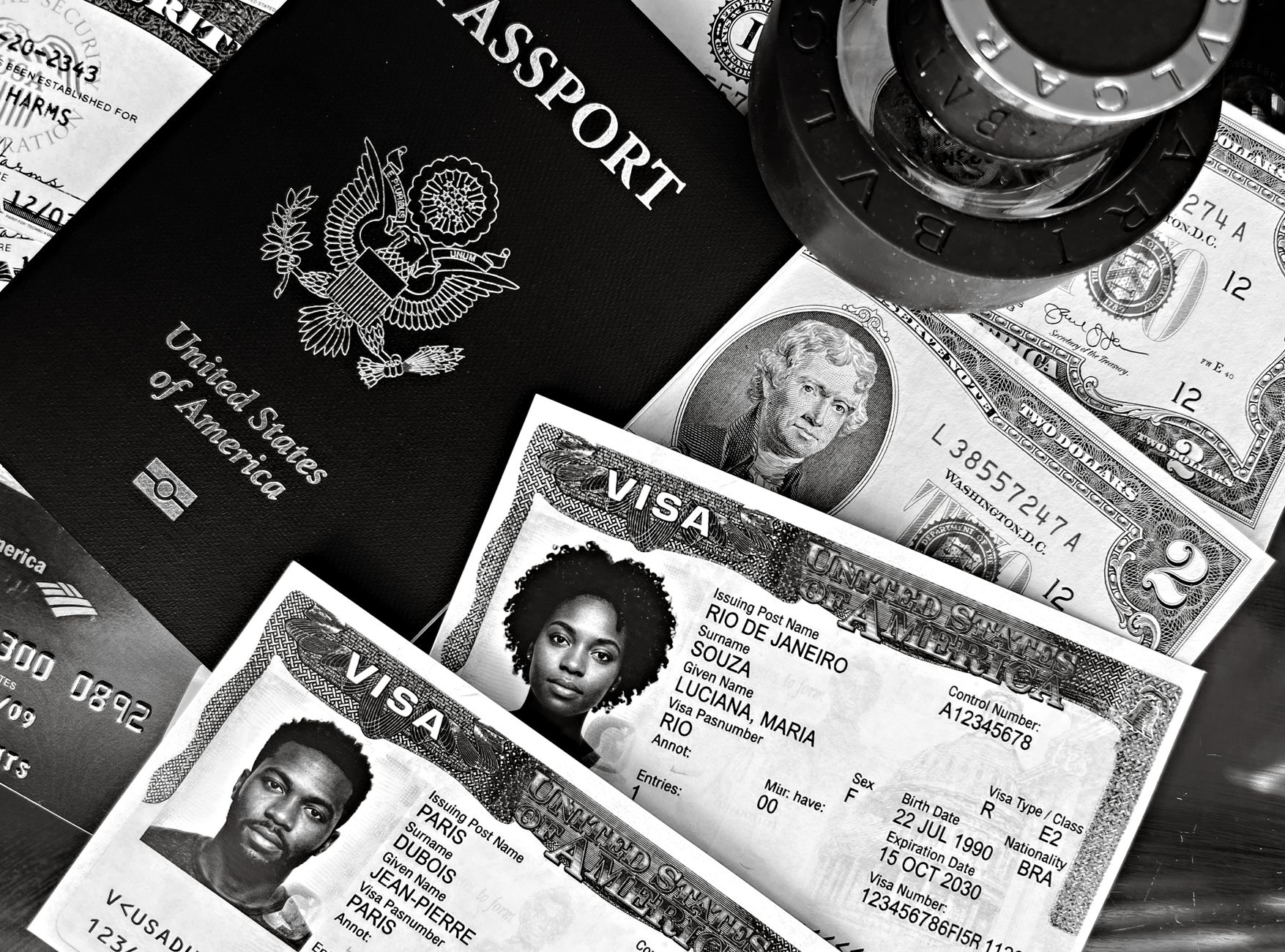
H-1B visa controversy has taken center stage as Vance clarifies his remarks regarding ‘indentured servants’. The backlash highlights ongoing tensions around immigration policies.
Understanding the H-1B Visa
The H-1B visa program has been a focal point of ongoing debate and controversy in the United States. Designed to allow U.S. employers to temporarily employ foreign workers in specialty occupations, the program has faced criticism for various reasons.
Many argue that the H-1B visa system has led to an influx of foreign workers, which some believe undermines job opportunities for American citizens. Critics often express concerns that the program exploits skilled foreign labor, referring to them as “indentured servants.” Such sentiments were recently echoed by political figures, sparking a significant backlash and prompting clarifications regarding their comments.
Supporters of the H-1B visa, however, argue that the program is essential for filling gaps in the U.S. labor market, particularly in tech and engineering sectors. They contend that many companies rely on foreign talent to maintain competitiveness and innovation.
As the debate continues, it’s clear that the H-1B visa controversy will remain a significant topic in discussions about immigration and labor policy in the United States. The complexities surrounding this issue highlight the need for careful consideration of both the economic implications and the human experiences involved.
Vance’s Controversial Comments Explained
In recent days, Ohio Senate candidate J.D. Vance faced significant backlash over comments he made regarding the H-1B visa program. Vance described some H-1B visa holders as “indentured servants,” a remark that sparked outrage among immigration advocates and supporters of the program.
During an interview, Vance aimed to clarify his comments, emphasizing that he values the contributions of immigrants, particularly his own Indian in-laws. He stated, “I love my Indian in-laws and appreciate their hard work and dedication.” However, he maintained his stance that the current H-1B visa system is flawed and needs reform.
Critics argue that Vance’s language perpetuates harmful stereotypes and undermines the importance of skilled workers who come to the United States under this visa program. Supporters of the H-1B visa emphasize its role in filling vital positions in technology and other sectors, noting that many visa holders bring significant expertise and drive innovation.
As the H-1B visa controversy continues to unfold, Vance’s remarks serve as a reminder of the complex discussions surrounding immigration and labor in the United States.
Public Reaction to the Remarks
The remarks made by J.D. Vance regarding the H-1B visa program have sparked significant public backlash, igniting discussions across social media platforms and news outlets. Many critics argue that Vance’s comments trivialized the experiences of skilled foreign workers who come to the United States seeking better opportunities.
Supporters of the H-1B visa program have rallied to defend its importance, emphasizing the vital role that immigrant workers play in the U.S. economy. They argue that these individuals contribute to innovation and help fill gaps in the labor market, particularly in technology and healthcare sectors.
In response to the growing controversy, Vance attempted to clarify his statements, stating, “I have great respect for my Indian in-laws and the contributions of immigrants.” However, many remain unconvinced, expressing that his remarks reflect a broader misunderstanding of the challenges faced by H-1B visa holders.
- Public sentiment appears divided, with strong opinions emerging on both sides of the issue.
- Advocates for immigrant rights have called for a reevaluation of the H-1B visa program to ensure fair treatment and protections.
- The controversy continues to fuel discussions about immigration policy in the United States.
The Role of Indian In-laws in the Debate
The ongoing H-1B visa controversy has sparked a broader discussion about the role of immigrant families, particularly those of Indian origin, in the American workforce. Vance’s recent comments have ignited debates not just about immigration policy but also about the cultural dynamics that accompany these discussions.
Many individuals have come forward to share their experiences, highlighting the significant contributions that Indian immigrants and their families make to the economy. The presence of Indian in-laws in American households often symbolizes a blending of cultures, which can lead to both personal and professional growth.
- Economic Contributions: Indian professionals on H-1B visas play a vital role in various sectors, particularly in technology and healthcare, leading to job creation and innovation.
- Cultural Exchange: The integration of Indian families into American society fosters cultural exchange, enriching communities and workplaces.
- Support Networks: Indian in-laws often provide essential support, helping with childcare and household responsibilities, allowing working professionals to focus on their careers.
As Vance clarifies his remarks, the debate surrounding the H-1B visa controversy continues to evolve, reflecting the complexities of immigration and family dynamics in the United States.
Historical Context of Indentured Servitude
The debate surrounding the H-1B visa controversy has prompted a deeper examination of historical systems of labor and exploitation. Indentured servitude, a practice that thrived primarily in the 19th century, involved individuals entering contracts to work for a specific number of years in exchange for passage to a new country, often under harsh conditions. This practice has drawn parallels to the experiences of some H-1B visa holders, who may feel trapped by the restrictions of their visas.
As noted by historians, the conditions of indentured servants often mirrored those of modern-day migrant workers, raising critical questions about labor rights and fair treatment. Many H-1B workers, particularly from India, have expressed feelings of being tied to their employers due to the visa’s structure, which can limit their ability to change jobs or advocate for better conditions.
In this context, Vance’s remarks about “indentured servants” struck a nerve, as they resonated with the ongoing issues of worker rights within the H-1B framework. Critics argue that such language trivializes the historical suffering of indentured servants while failing to acknowledge the complexities of current immigration policies that affect skilled workers seeking opportunities in the United States.
Implications for Immigration Policy
The recent controversy surrounding the H-1B visa has sparked significant debate about the implications for immigration policy in the United States. As lawmakers like J.D. Vance clarify their statements, the underlying issues of visa programs and labor rights come to the forefront.
Critics argue that the current H-1B visa system can inadvertently foster exploitative practices, likening some conditions to those faced by indentured servants. This perspective raises questions about the protections available to foreign workers, particularly in high-demand sectors such as technology and engineering.
As the discussion evolves, several potential implications for immigration policy emerge:
- Reevaluation of Visa Programs: There may be calls to reform the H-1B visa system to ensure it better protects workers’ rights.
- Increased Oversight: Policymakers might advocate for stricter regulations to prevent abuse within the visa process.
- Broader Immigration Reform: The controversy could lead to a more comprehensive examination of immigration policies, focusing on fairness and equity for all workers.
The H-1B visa controversy highlights the need for ongoing dialogue about immigration and labor rights, shaping future policy decisions that affect countless lives.
What Experts are Saying
Experts are weighing in on the ongoing H-1B visa controversy following Vance’s remarks. Many are emphasizing the need for a balanced approach to immigration policy that acknowledges both economic benefits and ethical concerns.
- Dr. Emily Chen, an immigration policy analyst, stated, “The H-1B program is essential for filling skill gaps in the U.S. workforce, but we must ensure that workers are treated fairly and not viewed as commodities.”
- Professor Mark Robinson of labor relations noted, “The language used in the debate can be misleading. It is crucial to differentiate between legitimate concerns about labor rights and inflammatory rhetoric that may alienate communities.”
- Maria Gonzalez, a representative from an immigrant advocacy group, highlighted, “While it is important to critique policies, we must also celebrate the contributions of immigrant workers, particularly those on H-1B visas who support innovation in many industries.”
As discussions continue, experts are calling for constructive dialogue rather than divisive comments. They urge lawmakers to focus on reforming the H-1B visa system to promote fairness and protect the rights of all workers involved.
Future of H-1B Visa Programs
The future of H-1B visa programs remains uncertain as lawmakers and stakeholders navigate the complex landscape of immigration policy. The recent H-1B visa controversy has put a spotlight on the program, prompting discussions about its implications for both American workers and foreign talent.
Critics of the H-1B program argue that it undermines job opportunities for U.S. citizens, while supporters claim it is essential for filling skill gaps in the tech industry. As the debate continues, several key factors are influencing the future of H-1B visas:
- Legislative Changes: Lawmakers are considering reforms that could alter eligibility criteria and application processes.
- Public Sentiment: Growing concerns about job displacement and wage stagnation have sparked protests and calls for policy revisions.
- Global Talent Competition: As countries vie for top talent, the U.S. may need to adapt its visa programs to remain competitive.
- Corporate Dependency: Many tech firms rely heavily on H-1B workers, which complicates efforts to change the system.
Ultimately, the trajectory of the H-1B visa program will depend on how these dynamics play out in the coming months.
In the wake of the H-1B visa controversy, Vance emphasized the importance of understanding the complexities surrounding immigration policies. Many supporters argue that the H-1B visa controversy highlights the need for reform to better protect American workers.
Photo by DΛVΞ GΛRCIΛ on Pexels