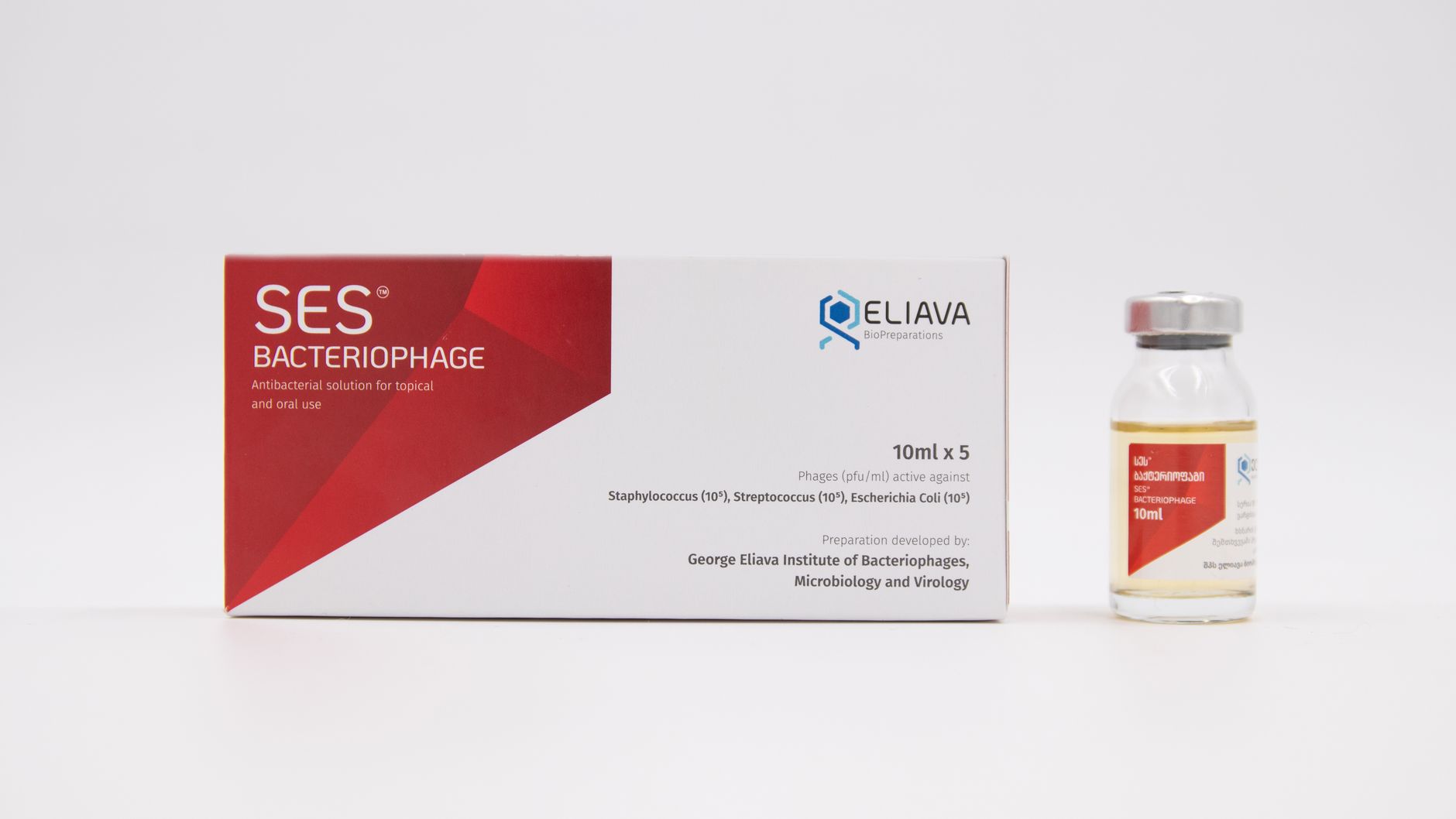
Antibiotic resistance solutions are crucial in today’s healthcare landscape. New materials may provide innovative ways to tackle this growing problem, offering hope for effective treatment options.
Understanding Antibiotic Resistance
Antibiotic resistance is a growing global concern that threatens the effectiveness of existing medications. As bacteria evolve, they develop mechanisms to withstand the effects of antibiotics, making infections harder to treat. This issue not only complicates healthcare but also leads to increased morbidity, mortality, and healthcare costs.
Understanding the mechanisms behind antibiotic resistance is crucial for developing effective solutions. Bacteria can acquire resistance through various means, including:
- Genetic mutation: Spontaneous changes in bacterial DNA can lead to resistance.
- Horizontal gene transfer: Bacteria can exchange genetic material, spreading resistance.
- Overuse of antibiotics: Excessive use in humans and livestock accelerates the development of resistant strains.
In response to this challenge, researchers are exploring innovative antibiotic resistance solutions. New materials that can inhibit bacterial growth without contributing to resistance are being developed. These materials promise to provide alternative methods for infection control and treatment, potentially safeguarding the effectiveness of current antibiotics. However, it is essential to evaluate the safety and efficacy of these solutions before widespread implementation.
The Role of New Materials
The emergence of antibiotic resistance has prompted researchers to explore innovative solutions, particularly through the development of new materials. These materials are designed to enhance the efficacy of existing antibiotics and provide alternative approaches to combat resistant bacteria.
One promising avenue involves the use of nanomaterials, which can interact with bacterial cells in unique ways. For instance, nanoparticles can disrupt bacterial membranes or deliver antibiotics in a more targeted manner, potentially reducing the required dosage and minimizing side effects.
Additionally, smart polymers are being engineered to release antibiotics in response to specific stimuli, such as changes in pH or temperature. This controlled release mechanism ensures a more effective deployment of antibiotics, which may help in tackling antibiotic resistance.
However, the safety and long-term efficacy of these new materials remain a topic of ongoing research. Regulatory bodies are keenly assessing their impact on human health and the environment. Researchers emphasize the importance of rigorous testing before these materials can be widely adopted as part of antibiotic resistance solutions.
The challenge lies in balancing innovation with safety, ensuring that advancements do not inadvertently contribute to further resistance.
How Effective Are These Solutions?
The effectiveness of new materials in combating antibiotic resistance solutions is currently under extensive investigation. Researchers are exploring various innovative approaches that utilize these materials to enhance the efficacy of existing antibiotics and reduce the prevalence of resistant strains.
Several studies have reported promising results, indicating that certain new materials can:
- Disrupt bacterial cell walls: Some materials have shown the ability to penetrate and weaken the protective barriers of bacteria, making them more susceptible to antibiotics.
- Release antimicrobial agents: Novel coatings and composites can be designed to slowly release antibacterial substances, maintaining effective concentrations over time.
- Inhibit biofilm formation: Many resistant bacteria form biofilms that protect them from treatments. Specific materials can prevent or break down these biofilms, enhancing drug efficacy.
Despite these advancements, it is crucial to evaluate the long-term safety and effectiveness of these materials. Ongoing clinical trials and research will help ascertain their viability in real-world applications. Understanding the balance between innovation and safety is essential to ensure that these antibiotic resistance solutions can be widely adopted without unintended consequences.
Future Implications for Healthcare
The implications of adopting new materials to combat antibiotic resistance are profound for the future of healthcare. As the threat of antibiotic resistance grows, the need for innovative solutions becomes increasingly urgent. The integration of novel materials into medical practices could potentially revolutionize how infections are treated and managed.
However, it is crucial to examine the safety and efficacy of these materials thoroughly. Some potential implications include:
- Infection Control: Enhanced materials may reduce the incidence of infections, leading to decreased reliance on traditional antibiotics.
- Cost-Effectiveness: By preventing infections, healthcare systems could save on treatment costs associated with antibiotic resistance.
- Public Health: Successful implementation of these solutions may help curb the spread of resistant strains, protecting community health.
- Research and Development: Continuous innovation in materials science could lead to more effective tools against antibiotic resistance.
As healthcare providers consider these antibiotic resistance solutions, ongoing research and rigorous testing will be essential to ensure that new materials are both safe and effective, ultimately benefiting patient outcomes and public health at large.
As researchers explore novel approaches, it is crucial to evaluate the safety and efficacy of these antibiotic resistance solutions. Ongoing studies aim to determine whether these new materials can effectively combat infections without contributing to antibiotic resistance solutions.
Photo by George Shervashidze on Pexels
Where this came from
You might also like
Ring smart lock: Is it the best emergency power solution? · Mumbai water cuts: Worst impacts on daily life revealed · Android Navigation Buttons: The Best New Feature Explained